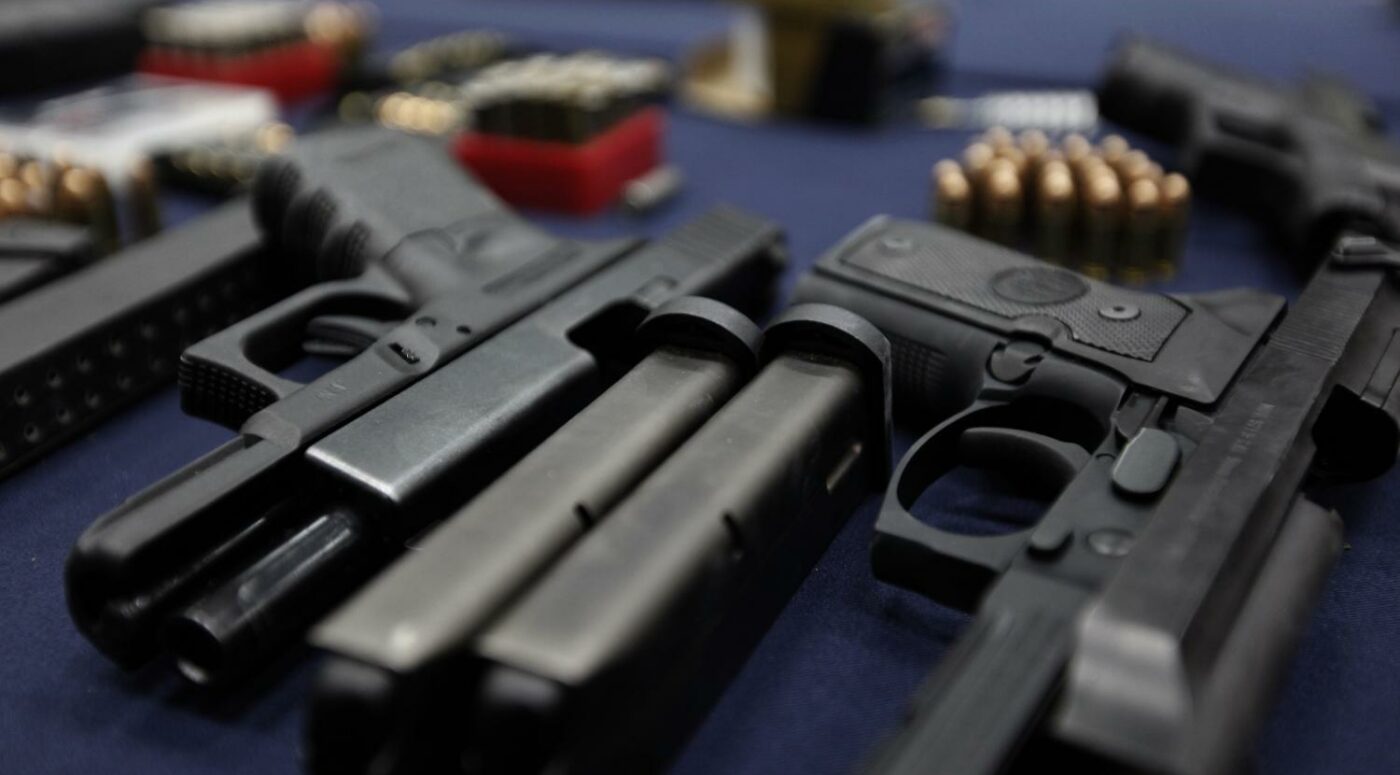
Weapons offences in Ontario are among the most seriously prosecuted criminal charges in Canada. Whether you have been charged with unauthorized possession of a firearm, carrying a concealed weapon, or using a weapon in the commission of another offence, the consequences of a conviction can be severe and long-lasting. Canadian law imposes strict controls on the possession and use of weapons, and courts treat violations of these laws with significant gravity. If you are facing a weapons charge, understanding your legal rights and options is critical.
Understanding Weapons Offences Under the Criminal Code
Weapons offences in Canada are governed primarily by the Criminal Code and the Firearms Act. The Criminal Code prohibits a broad range of conduct relating to weapons, including unauthorized possession of a firearm, possession of a prohibited or restricted weapon, carrying a concealed weapon, storing a firearm unsafely, and using or brandishing a weapon during the commission of another offence. The definition of a weapon under Canadian law is broad and includes not only firearms but also knives, pepper spray, tasers, and any object used or intended to be used to cause death or injury.
Firearms are further classified under Canadian law as non-restricted, restricted, or prohibited, with increasingly strict rules governing each category. Prohibited firearms, such as certain handguns and automatic weapons, are subject to the most stringent controls. Possession of a prohibited firearm without the appropriate licence and registration carries severe penalties. Even where a person is licensed to possess a firearm, charges can arise from improper storage, transportation, or use of that weapon.
Penalties for a Weapons Offence Conviction in Ontario
The penalties for weapons offences vary significantly depending on the nature of the charge, the type of weapon involved, and the accused’s criminal history. For unauthorized possession of a loaded prohibited or restricted firearm under section 95 of the Criminal Code, the maximum sentence on indictment is fourteen years in prison. The mandatory minimum that once attached to this offence was repealed in 2022, so a judge now has full discretion on sentence, but courts continue to treat these charges as serious. Where a firearm is used in the commission of another offence such as robbery or assault, consecutive sentences and additional mandatory minimums may apply.
Beyond imprisonment, a weapons conviction results in a permanent criminal record, potential firearms prohibition orders that can last for life, and significant barriers to employment, travel, and professional licensing. For non-citizens, a conviction may trigger immigration consequences including deportation. Given the mandatory minimum sentences that apply to many firearms offences, it is essential to retain experienced legal counsel immediately upon being charged.
Key Defences Against Weapons Charges
There are several defences that may be available when facing weapons charges. One of the most powerful tools in a weapons offence defence is a Charter challenge. If police conducted an unlawful search and seizure without reasonable grounds or a valid warrant, any weapons discovered as a result may be excluded from evidence. Without that evidence, the Crown’s case can fall apart entirely. The admissibility of evidence is frequently the central issue in weapons cases, and an experienced lawyer will scrutinize every aspect of how the search was conducted.
Other defences include challenging whether the accused had knowledge of or control over the weapon, demonstrating that the accused had lawful authority to possess the item in question, or disputing the classification of the item as a weapon under the law. In some cases, mistaken identity or a lack of proof linking the accused to the weapon may also provide a viable defence. Every weapons case turns on its own facts, and a tailored legal strategy is essential.
What to Do if You Are Charged with a Weapons Offence
If you have been charged with a weapons offence, the most important thing you can do is exercise your right to silence immediately. Do not speak to police or make any statements about the allegations without first consulting a criminal defence lawyer. Weapons cases often hinge on technical legal arguments about the admissibility of evidence, and anything you say in the early stages of an investigation can seriously complicate your defence.
Retain qualified legal counsel as quickly as possible and comply with all conditions of your release. Your lawyer will review the disclosure provided by the Crown, assess the legality of the search that led to the discovery of the weapon, and identify the strongest available defences. Given the mandatory minimum sentences attached to many weapons offences, early and skilled legal intervention can make a meaningful difference in the outcome of your case.
If you are facing weapons charges in Ontario, do not wait to seek legal help. George Habib, weapons offence lawyer at Habib Legal Counsel, will defend your rights and fight for the best possible outcome. Visit HabibLC.com or call anytime at 647-648-2164 — George Habib and his firm are ready to help.
George Habib | Habib Legal Counsel | Criminal Law | 647-648-2164 | Contact us